
Instagram Is Finally Measurable: Why Every Marketing Decision Should Be Driven by Data

by Zuri Media
For years, marketers were told that social media success was about likes, followers and viral moments. While those metrics looked impressive in reports, they rarely answered the one question every business owner wanted answered.
Is Instagram actually making us money?
Today, that question has a far clearer answer than ever before.
Instagram has evolved from a simple photo-sharing app into one of the world’s most sophisticated marketing platforms. Thanks to Meta’s advertising ecosystem, built-in analytics, AI-powered recommendations and conversion tracking, businesses can now measure nearly every stage of the customer journey, from the first Reel someone watches to the purchase they make weeks later.
For marketers, this represents one of the biggest shifts in digital marketing over the last decade.
A Brief History of Instagram Marketing
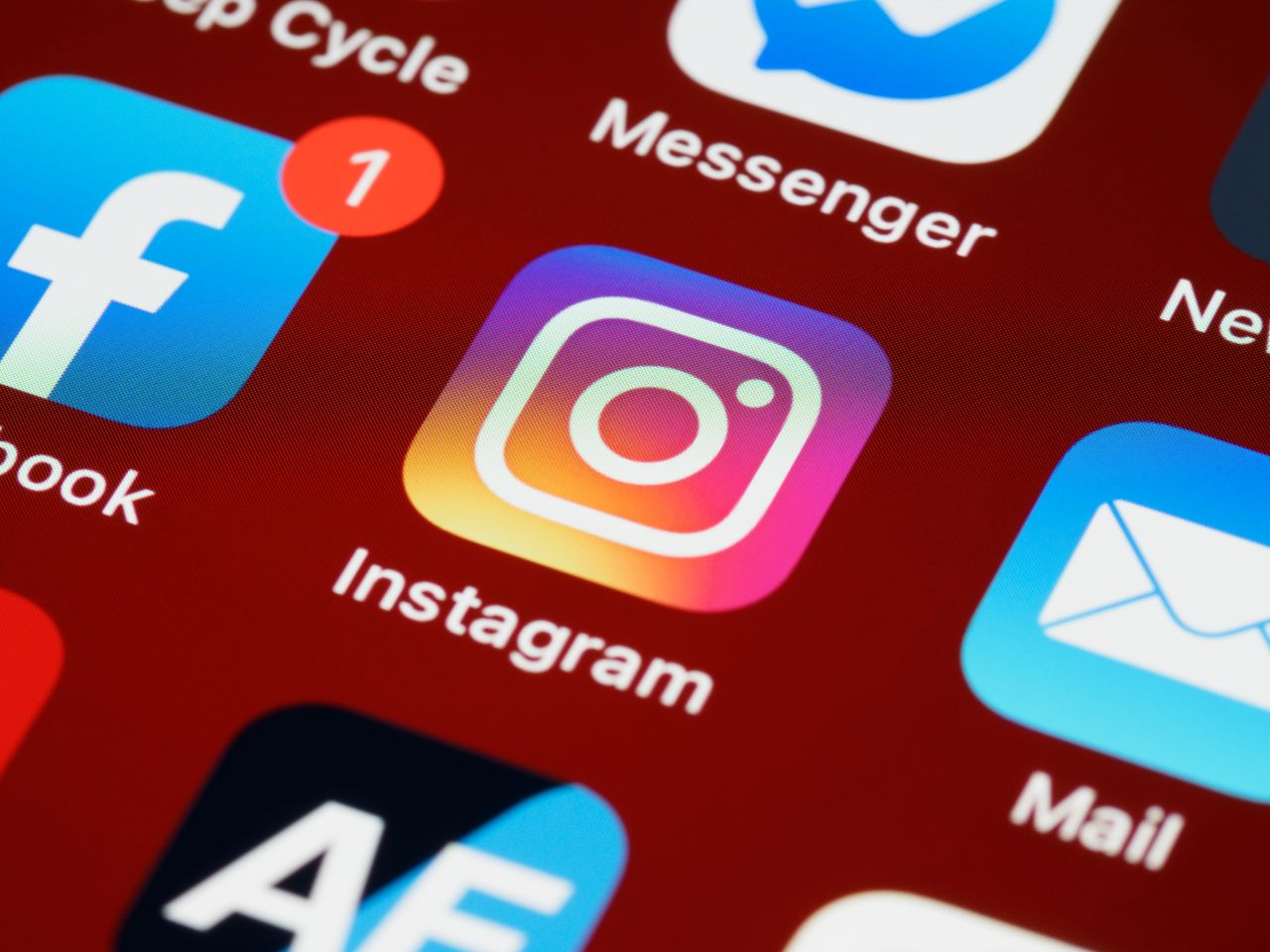
When Instagram launched on 6 October 2010, it was designed purely for sharing photos. It reached 1 million users in just two months, proving there was enormous demand for visual-first social networking.
Facebook acquired Instagram in April 2012 for approximately US$1 billion, a move that many industry analysts questioned at the time. Looking back, it is widely regarded as one of the smartest technology acquisitions in history.
Following the acquisition, Instagram introduced features that gradually transformed it into a business platform.
Key milestones include:
- 2013: Instagram Ads launched for selected advertisers.
- 2015: Advertising expanded globally.
- 2016: Business Profiles and Instagram Insights were introduced, allowing businesses to monitor performance.
- 2018: Shopping features began connecting products directly to posts.
- 2020: Reels launched in response to the rise of short-form video.
- 2022 to today: Meta accelerated AI-driven recommendations, performance reporting and campaign automation.
The platform now boasts more than 2 billion monthly active users worldwide, making it one of the largest digital marketing channels available to businesses today.
The Difference Between Metrics and Measurement
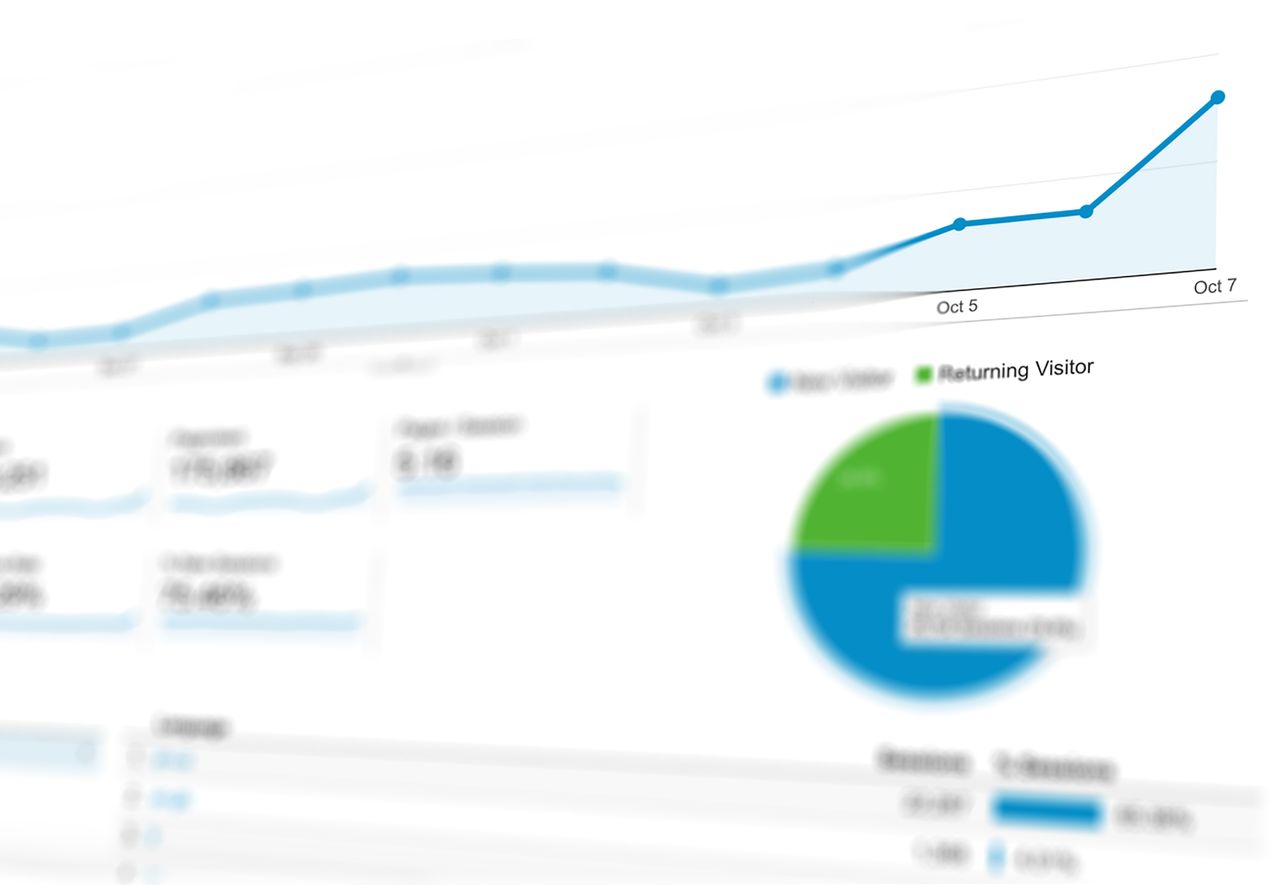
One of the biggest misconceptions in marketing is confusing metrics with measurement.
Metrics are simply numbers.
Examples include:
- 500 likes
- 2,000 views
- 150 comments
- 75 shares
These tell you what happened.
Measurement tells you whether those numbers helped your business achieve its goals.
For example:
- Did those 2,000 views generate enquiries?
- Which Reel produced the highest number of website visits?
- Which post led directly to online sales?
- What was your cost per lead?
- Which audience converted best?
That difference is what separates professional marketers from people simply posting content.
Instagram Is No Longer About Vanity Metrics
A decade ago, agencies proudly reported increases in followers and likes.
Today, experienced marketers pay much closer attention to metrics such as:
- Reach
- Accounts Engaged
- Watch Time
- Saves
- Shares
- Website Clicks
- Lead Generation
- Conversion Rate
- Return on Ad Spend (ROAS)
- Customer Acquisition Cost (CAC)
Instagram Insights now provides businesses with detailed performance data for posts, Reels, Stories and Lives, including audience demographics, engagement and content performance over selectable timeframes.
Why Saves and Shares Matter More Than Likes
Instagram’s algorithm has changed dramatically.
Today, content that people save or share often signals higher value than content that simply receives likes.
Think about it.
A like takes less than a second.
A save means someone wants to revisit your content later.
A share means someone found your content valuable enough to recommend it to someone else.
Both actions indicate stronger engagement, which can help extend the reach of your content.
If your posts consistently generate saves and shares, Instagram is more likely to continue recommending them to new audiences.
Meta Has Changed the Way Businesses Measure Success

Instagram now sits inside Meta’s wider advertising ecosystem.
This means marketers can connect Instagram activity to measurable business outcomes.
Businesses can now track:
- Website visits
- Form submissions
- Online purchases
- Phone calls
- App installs
- Newsletter subscriptions
- Add-to-cart events
- Customer lifetime value
Instead of saying:
“Our campaign reached 50,000 people.”
A marketer can now say:
“Our campaign reached 50,000 people, generated 1,800 website visits, produced 47 qualified enquiries and delivered a 6.3x return on advertising spend.”
Those are business metrics that executives understand.
Meta has invested heavily in transparency and measurement, expanding reporting, verification and advertiser tools over the past several years.
Practical Tips to Improve Your Instagram Performance
1. Hook People in the First Three Seconds
Whether it’s a Reel or a carousel, attention is won immediately or lost forever.
Lead with:
- A surprising fact
- A bold statement
- A question
- A problem your audience faces
2. Make Your Captions Worth Reading
Don’t treat captions as an afterthought.
Tell stories.
Teach something useful.
Share behind-the-scenes insights.
People connect with people, not advertisements.
3. Give Every Post One Clear Goal
Don’t ask people to:
- Like
- Comment
- Share
- Visit your website
- Buy your product
- Follow your account
…all in one post.
Choose one objective.
4. Design for Saves
Educational content performs exceptionally well.
Examples include:
- Checklists
- Step-by-step guides
- Industry statistics
- Infographics
- Templates
- FAQs
People save information they want to use later.
5. Encourage Shares
Ask yourself:
“Would someone send this to a colleague?”
If the answer is yes, you’re producing valuable content.
6. Use Carousels Strategically
Carousel posts often outperform single images because they encourage users to spend more time interacting with the content.
More time spent engaging generally sends positive signals to Instagram’s algorithm.
7. Write Search-Friendly Captions
Instagram increasingly functions as a search engine.
Include natural keywords that your audience is likely to search for.
Instead of:
“Our latest project.”
Write:
“Website redesign for a Botswana accounting firm focused on improving SEO and lead generation.”
This improves discoverability.
8. Track Monthly Trends
Rather than obsessing over one post, monitor trends across an entire month.
Ask questions like:
- Which content format performed best?
- Which topics generated the most enquiries?
- Which posting times produced the highest engagement?
- Which posts drove the most website traffic?
The goal is continuous improvement, not chasing viral success.
The Future of Instagram Marketing
Artificial intelligence is reshaping how content is recommended.
Instagram increasingly delivers content based on user interests rather than simply who they follow.
This means smaller businesses now have a genuine opportunity to compete with larger brands, provided they consistently create content that people find useful and engaging.
The winners over the next five years won’t necessarily be the brands with the biggest budgets.
They’ll be the brands that understand their audience, produce valuable content and make decisions based on measurable performance instead of assumptions.
Final Thoughts
Instagram is no longer a platform where marketers rely on guesswork.
Every post, Story, Reel and advertising campaign can now contribute meaningful data that helps businesses make smarter decisions.
Success is no longer measured by who has the most followers.
It is measured by who understands their audience best, creates content that genuinely resonates and uses data to refine every campaign.
In modern marketing, creativity still captures attention. Measurement is what turns that attention into business growth.
Recommended Posts
12 reasons why your business should have a website
January 28, 2020
🚀 Facebook Pixel: The Bridge Between Social Media & Real Results
October 4, 2025
Navigating the Email Landscape
November 19, 2023